Religion in Morocco: What to Expect as a Visitor
The call to prayer, mosques you can step inside, Ramadan, Fridays and what to wear. A friendly guide to faith in everyday Moroccan life.
 By Bijan Paul, founder & tour leader
Updated · 8 min read
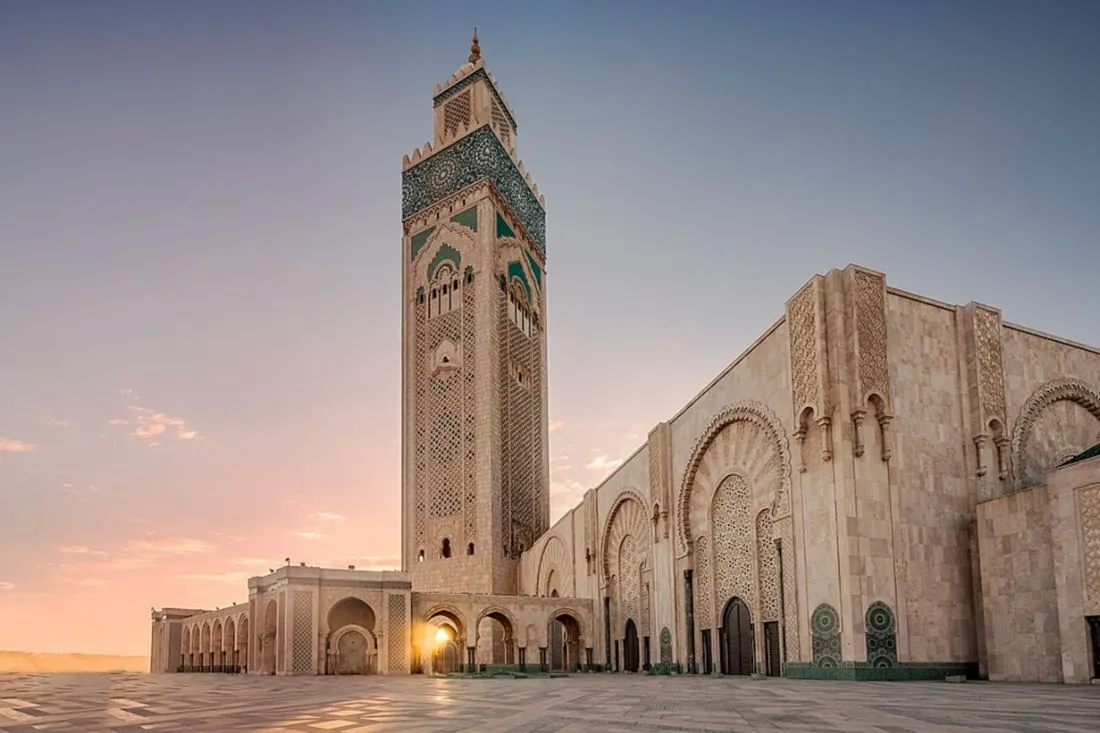
Morocco is a Muslim country, almost entirely Sunni, and faith shapes daily life in a warm, relaxed way. Visitors aren’t expected to follow religious rules, but you’ll hear the call to prayer five times a day, most mosques are closed to non-Muslims (Casablanca’s Hassan II Mosque is the big exception), and modest clothing and a little respect go a long way. Ramadan in 2027 is expected from around 8 February to 9 March.
The first thing most people notice about religion in Morocco isn’t a mosque or a rule. It’s a sound. Somewhere before dawn, a single voice rises over the rooftops, then another, then a whole city of them, and you lie there in your riad wondering if you’re dreaming. You’re not. That’s the call to prayer, and by day three you’ll miss it when it stops. Faith runs quietly through almost everything here, from the way people greet you to the way they feed you, and understanding a little of it makes Morocco far richer. Here’s what to expect, from someone who spends a good part of the year living here.
Islam in Morocco at a glance
Morocco is a Muslim country, and almost everyone you meet will be Sunni Muslim. Moroccans follow the Maliki school of Islam, and the King holds the title Commander of the Faithful, so religion and national identity are closely woven together.
In practice, Moroccan Islam is warm, relaxed and very welcoming to visitors. Some people pray five times a day, some fast only during Ramadan, and plenty sit somewhere in between, exactly as you’d find with faith anywhere. It also carries older layers. Amazigh (Berber) traditions, local saints and Sufi brotherhoods with their shrines, known as zawiyas, are all part of the picture, especially in the countryside and the south.
Nobody expects you to share the faith. What people do appreciate is a little curiosity and respect, and you’ll get a lot of warmth back for it.
The call to prayer
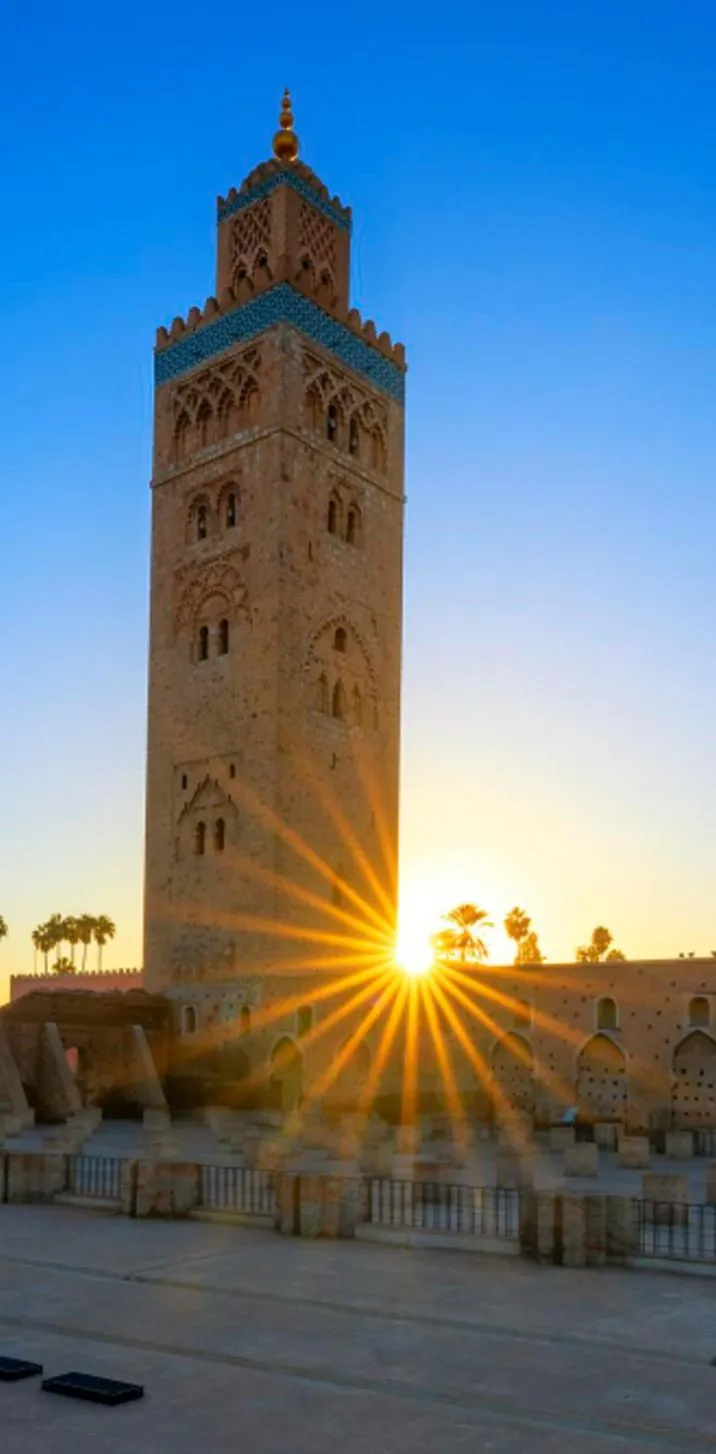
The adhan, the call to prayer, sounds five times a day from the minarets: before dawn, around midday, in the afternoon, at sunset and at nightfall. In a big medina like Fes or Marrakech, dozens of mosques call slightly out of sync, which creates an echo that seems to roll across the whole city.
- The dawn call is the one that wakes you. Earplugs help on night one. After that, most people stop noticing, or start enjoying it.
- The sunset call is the beautiful one. Catch it from a rooftop terrace with a mint tea, and it’s one of the moments people remember most.
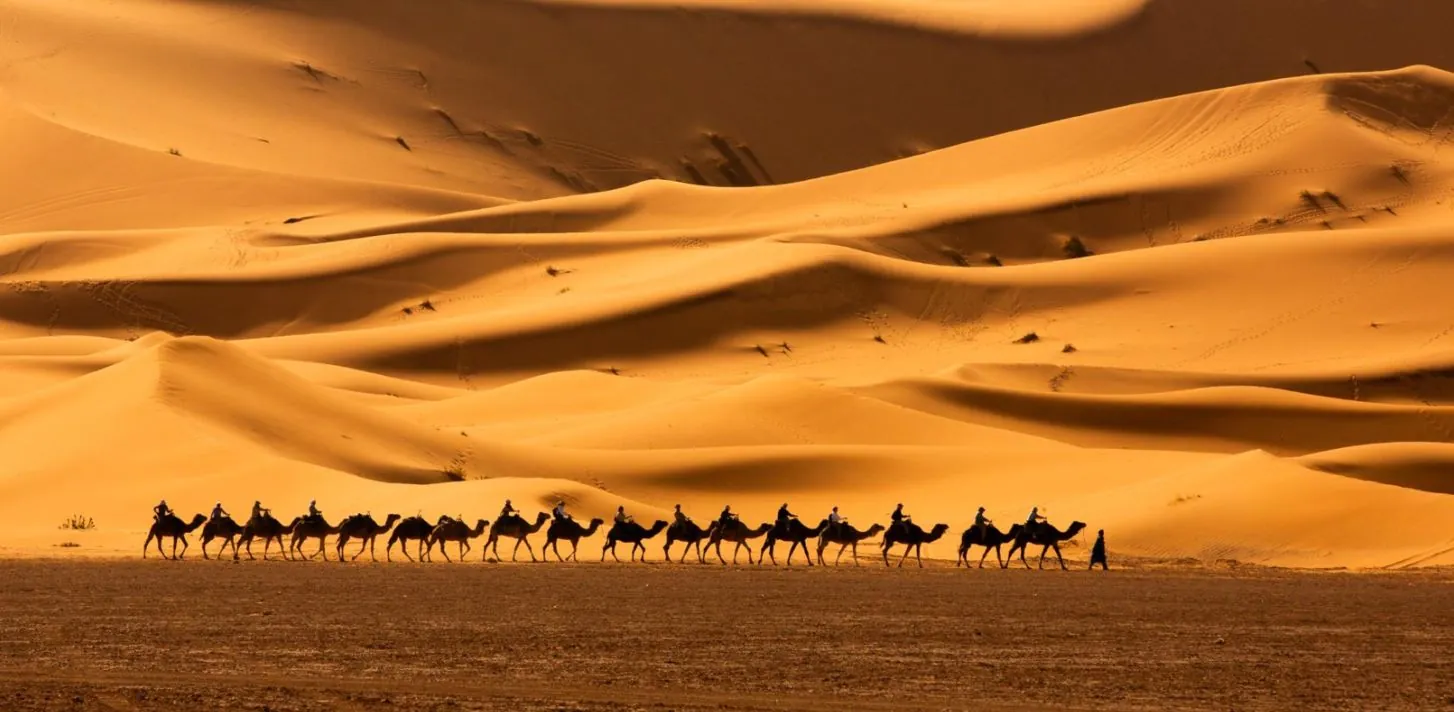
- In the Sahara there are no minarets at all, and the silence is total. It’s a strange and lovely contrast.
When the call sounds, life mostly carries on around you. You don’t need to stop or do anything, though it’s polite to keep music down nearby.
Can non-Muslims visit mosques in Morocco?
Mostly no, and this surprises a lot of visitors. Unlike in Turkey or Egypt, nearly all working mosques in Morocco are closed to non-Muslims. It isn’t personal and nobody will be rude about it. It’s simply the custom here, and you can still admire the doorways, minarets and courtyards from outside.
There are some wonderful exceptions, and several are on our route:
- Hassan II Mosque, Casablanca. One of the largest mosques in the world, built right over the Atlantic, and the best-known mosque in Morocco that non-Muslims can enter, on guided tours. We visit on day 11 of our journey.
- Bou Inania Medersa, Fes. A 14th-century religious school with carved cedar, stucco and zellige tilework that will stop you in your tracks. Old medersas like this are among the few religious buildings you can step inside.
- Al Quaraouiyine, Fes. Founded in 859 and often called the world’s oldest university. Non-Muslims can’t go in, but a glance through its great doors into the courtyard is one of the best moments in the medina.
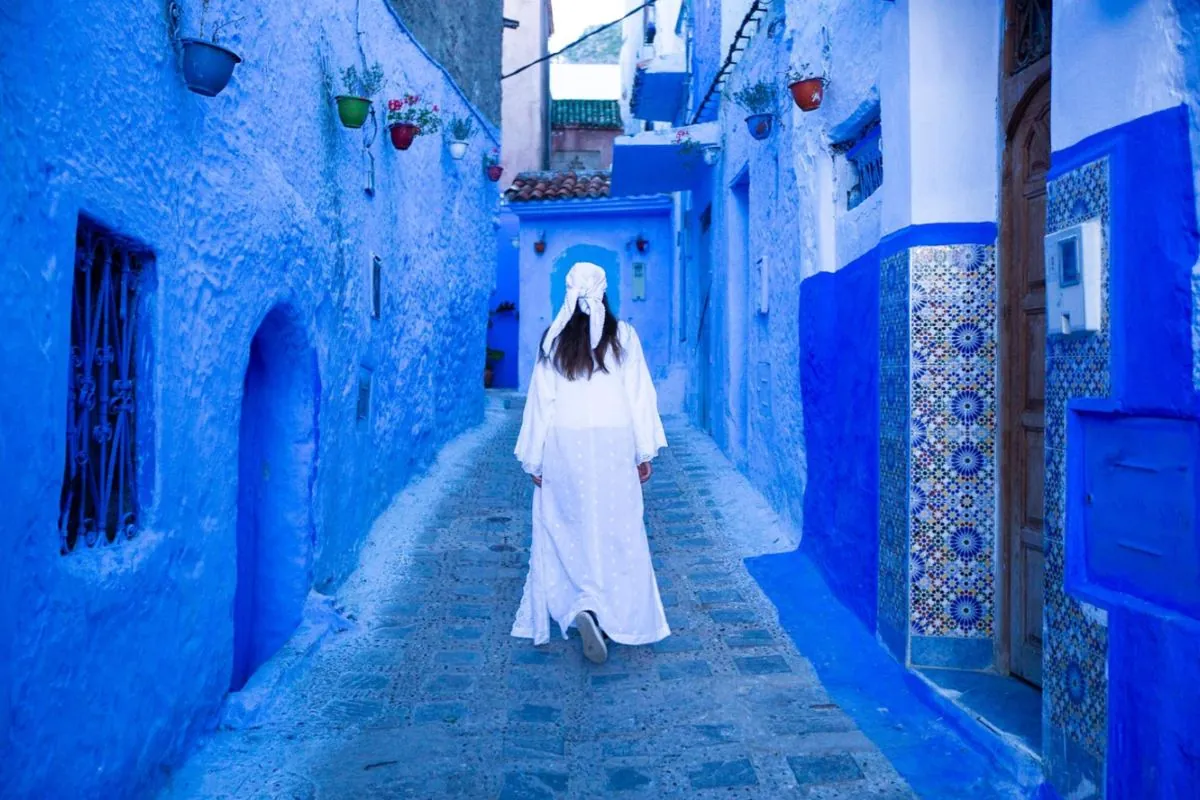
- The Spanish Mosque, Chefchaouen. Built in the 1920s and never used for worship. Today it’s the place to watch the sun set over the blue town, and it’s where we end our day in Chefchaouen.
If you do go inside a mosque or shrine, take your shoes off, keep shoulders and knees covered, and women should bring a light scarf for their hair.
What to wear
Morocco is more relaxed than people expect, especially in the cities, but modest clothing makes everything easier and earns a lot of goodwill. As a simple rule, cover shoulders and knees in the medinas and villages. Loose linen trousers, long skirts and shirts with sleeves are ideal, and much cooler in the heat anyway. On the beach and around a riad pool, normal swimwear is fine. My guide to Morocco travel tips has more on packing and what to wear.
Fridays in Morocco
Friday is the holy day of the week. Around midday, the main prayer of the week takes place and the mosques fill up, sometimes spilling out into the street on prayer mats. Some shops in the souks close for a few hours around lunchtime and the medina feels calmer, so it’s a lovely morning for a slow wander and a long lunch.
Friday is also couscous day. Families gather after prayers for a big shared plate, and if you’re ever invited to join one, say yes.
Ramadan in Morocco
Ramadan is the holy month of fasting. From dawn to sunset, Muslims don’t eat, drink or smoke, and then break the fast together at sunset with iftar: harira soup, dates, sweet pastries called chebakia, and a lot of happiness. The month moves about 11 days earlier each year because it follows the lunar calendar. In 2027 it’s expected to run from around 8 February to 9 March, ending with the celebration of Eid al-Fitr, but the exact dates depend on the sighting of the moon.
Visiting during Ramadan is perfectly possible, and the evenings are wonderful. Days are slower, some cafés and restaurants close until sunset, and opening hours shrink. As a visitor you can eat and drink, just be discreet about it in public during the day. Riads and many tourist restaurants serve food as normal.
Our Morocco Signature Journey runs in September, well outside Ramadan, so you get normal opening hours, a full calendar of daily life and the best of the autumn weather. There’s more on timing in my guide to the best time to visit Morocco.
Other religious festivals
- Eid al-Adha (expected around 17 May 2027) is the biggest festival of the year. Families gather, a sheep is sacrificed and shared, and many businesses close for a few days while people travel home. Transport gets busy.
- Mawlid (expected around 15 August 2027) marks the Prophet’s birthday, with prayers, processions and gatherings at shrines in some towns.
- Moussems are local festivals honouring a saint, often with music, food, markets and sometimes horsemanship. They vary from town to town and are a real treat if you stumble on one.
Jewish Morocco and other faiths
Morocco has one of the oldest Jewish histories in the world, going back more than two thousand years. Most Moroccan Jews emigrated in the 20th century, but the heritage is still very present, and the country’s 2011 constitution recognises Hebrew heritage as part of Moroccan identity.
- The mellahs are the old Jewish quarters of cities like Fes and Marrakech, with their own architecture, cemeteries and balconied houses.
- The Ibn Danan Synagogue in the Fes mellah has been beautifully restored and can be visited.
- The Museum of Moroccan Judaism in Casablanca is the only Jewish museum in the Arab world.
There are small Christian communities too, mostly foreign residents, with churches in the larger cities. In Casablanca, the white former Sacré-Cœur cathedral is now a cultural space and well worth a look.
Food, alcohol and everyday etiquette
- Food is halal and pork is very rare. You won’t miss it, the tagines see to that.
- Alcohol isn’t part of traditional life, but it’s available in licensed hotels, riads and restaurants. Just don’t drink in the street or wander the medina with a bottle.
- Use your right hand for eating, greeting and passing things.
- Don’t photograph people praying, and always ask before photographing anyone. My Morocco photography guide covers this in more detail.
- Learn “inshallah”. It means “God willing” and you’ll hear it constantly, about anything from the weather to whether the bus will leave on time.
Faith and hospitality go together
The thing I’d most like you to take away is this: religion in Morocco is less about rules for visitors and more about how people treat each other. Generosity to guests is a big part of the faith here. It’s why you’ll be offered tea in a carpet shop, bread in a village and directions from someone who then insists on walking you all the way there.
You feel that best when you slow down. I like to take my time in a place, sit for the sunset call, accept the extra glass of tea and share it all with a good group. That’s when Morocco stops being a list of sights and starts being about the people. If that sounds like your kind of travel, have a look at our 13-day Morocco group tour or the full day-by-day itinerary, and send me a message. I always reply.
Frequently asked questions
What is the main religion in Morocco?
Islam. Almost all Moroccans are Sunni Muslims following the Maliki school, and the King holds the title Commander of the Faithful. There is also a long Jewish heritage and small Christian communities, mostly foreign residents.
Can tourists go inside mosques in Morocco?
Most working mosques in Morocco are closed to non-Muslims. The main exception is the Hassan II Mosque in Casablanca, which runs guided tours. Historic medersas such as Bou Inania in Fes and Ben Youssef in Marrakech can also be visited.
Do I need to cover up in Morocco?
There’s no legal dress code for visitors, but covering shoulders and knees in medinas and villages is respectful and makes things easier. Women should carry a light scarf for visiting religious sites. Swimwear is fine at the beach and around riad pools.
Is it OK to visit Morocco during Ramadan?
Yes. Days are slower and some cafés close until sunset, but the evenings are festive and welcoming. Visitors can eat and drink, though it’s polite to be discreet in public during daylight. In 2027, Ramadan is expected from around 8 February to 9 March.
Can you drink alcohol in Morocco?
Yes, in licensed hotels, riads, bars and restaurants. It isn’t part of traditional life, so avoid drinking in the street or carrying alcohol openly in the medina.
What should I do during the call to prayer?
Nothing special. Life carries on around you. It’s polite to keep music down near a mosque, and the sunset call from a rooftop is one of the loveliest moments of any trip.