Best Time to Visit Morocco: A Month-by-Month Guide
Every month, honestly. When the desert is perfect, when Marrakech melts, and why September is my favourite.
 By Bijan Paul, founder & tour leader
Updated · 7 min read
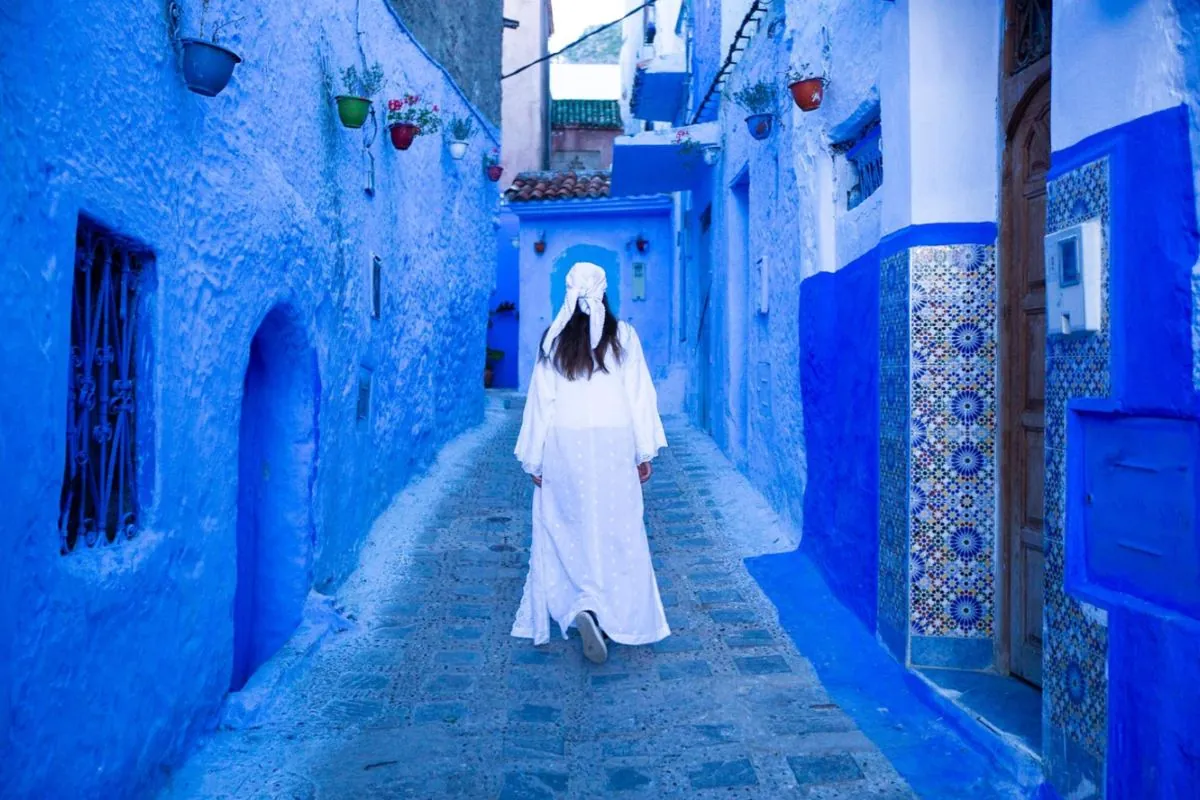
The best time to visit Morocco is spring (March to May) and autumn (September to November). Days are warm but not scorching, desert nights are comfortable, and the mountains are clear. Summer (June to August) is very hot inland and in the Sahara, while winter (December to February) brings cold desert nights and snow in the High Atlas.
I get asked this more than anything else, usually by someone who has already booked flights for August. So let’s get it over with: the short answer is spring and autumn. The long answer is that Morocco is a big country with mountains, desert and two coastlines, and “the weather in Morocco” can mean five completely different things on the same day. Here’s the honest version, month by month.
Morocco weather at a glance
| Season | Marrakech & Fes | Sahara | North & coast | Verdict |
|---|---|---|---|---|
| Spring (Mar–May) | 22–30°C, sunny | Warm days, mild nights | Green, fresh, some rain early on | Excellent |
| Summer (Jun–Aug) | 35–40°C+ | Brutal, 45°C+ | Pleasant, mid-20s | Coast only |
| Autumn (Sep–Nov) | 25–32°C early, cooler later | Warm days, cool nights | Warm, sea still swimmable in Sept | Excellent |
| Winter (Dec–Feb) | 18–20°C days, cold nights | Mild days, near-freezing nights | Rainy, cool | Good for cities |
These are typical daytime highs. Nights inland are always cooler than you expect, and in the desert the drop can be 20 degrees.
Morocco month by month
January: quiet, cold nights, beautiful light
Cool, sunny days in Marrakech (around 18°C) and very few tourists. It’s the coldest month, though. The Sahara can get close to freezing at night and the Tizi n’Tichka pass over the Atlas sometimes closes with snow. Great for cities and photographers, less great if you hate being cold. Pick riads with real heating, not a sad little fan heater.
February: almond blossom and good deals
Still cool, but the days start to warm up and the almond trees flower in the valleys. Prices are lower than spring. In 2027 Ramadan starts in early February, so expect a slower rhythm and lively evenings (more on that below).
March: spring arrives
One of my favourite months to travel. The Atlas still has snow on the peaks, the valleys are green, and the desert is comfortable day and night. The north can still be rainy, so pack a light jacket for Chefchaouen.
April: close to perfect
Warm days, flowers everywhere and ideal desert weather. It’s also busy, especially around Easter, so the best riads and camps book up months ahead. If you want April, plan early.
May: warm and lush
Marrakech starts heating up towards 30°C, but mornings and evenings are lovely. The Rose Festival in the Dades Valley happens in May. A great month for the mountains and the coast.
June: getting hot
Inland gets properly hot now. The desert is possible if you plan around it (early starts, long lunches, afternoon siesta), but I wouldn’t make it the centrepiece of a June trip. The coast is lovely. Essaouira hosts the Gnaoua music festival around this time.
July: coast or mountains only
The hottest month along with August. Marrakech hits 38 to 40°C, the Sahara goes way past 45°C, and you’ll spend the afternoons hiding in a pool. The Atlantic coast stays in the mid-20s and the High Atlas is cooler. If July is your only option, build the trip around those.
August: the same, plus crowds
Everything in July, plus European and Moroccan summer holidays, so the coast is busy and prices go up. I’ll be honest: I’d avoid the desert and Marrakech in August unless you love sweating in beautiful places.
September: my favourite month
Early September can still be warm inland, low 30s in Marrakech, but by mid-month the heat breaks, the summer crowds have gone home and the light turns golden. The desert has warm days and comfortable nights, the sea in the north is still warm enough to swim, and everywhere feels calmer. It’s exactly why we run our Morocco group tour from 12 to 24 September.
October: the classic
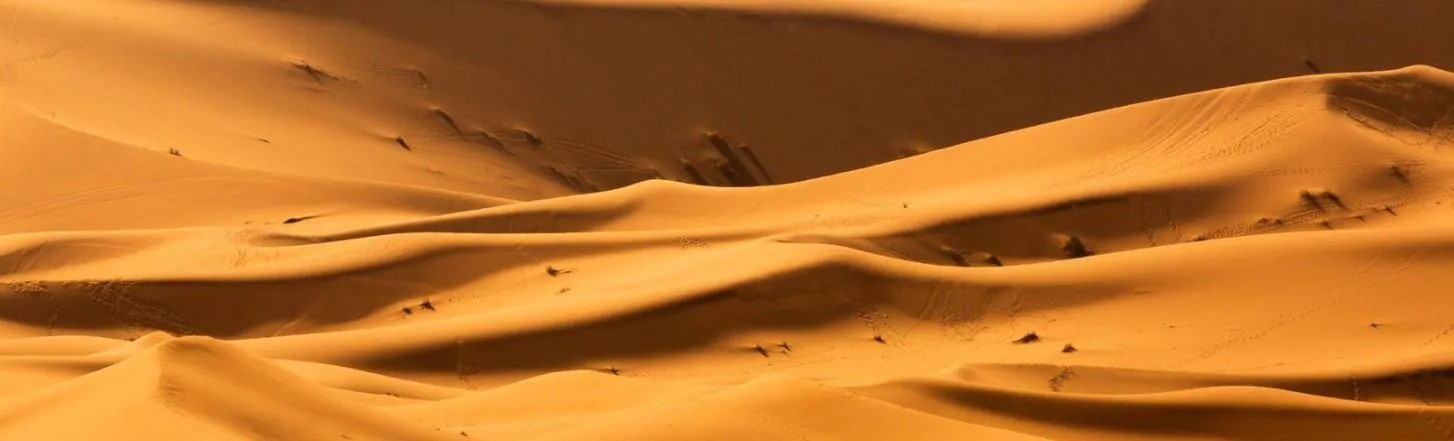
Perfect weather nearly everywhere. Warm, sunny days, cool evenings, clear skies in the desert. It’s one of the busiest months for that reason, so again, book early.
November: hiking weather
Cooler, quieter and still mostly dry in the south. Great for walking in the Atlas foothills and for cities. The first rains arrive in the north and on the coast.
December: cosy, festive and cold at night
Marrakech gets busy over Christmas and New Year with Europeans escaping winter. Days are mild and sunny, nights are cold everywhere, and the desert is magical but chilly. Bring a proper jumper and a hat. Your camp should provide hot water bottles. If it doesn’t, find a better camp.
Peak season, dry season and rainy season
Peak season is Easter, April to May and October, plus Christmas and New Year in Marrakech. July and August are busy on the coast.
Rainy season runs roughly from November to March, mostly in the north (Tangier, Tetouan, Chefchaouen) and along the Atlantic. It rarely rains for days on end, and the south and Sahara stay dry almost all year.
Dry season is May to October, when you’ll hardly see a cloud inland.
Travelling during Ramadan
Ramadan moves about eleven days earlier each year, following the lunar calendar. In 2027 it’s expected from around early February to early March, and in 2028 from around late January.
People worry about it, but honestly it’s a lovely time to visit. Hotels, riads and restaurants used to tourists stay open and serve food as normal. Some local cafés close during the day, offices and shops keep shorter hours, and things can feel slow in the afternoons. Then the sun sets, everyone breaks their fast together and the streets come alive. Just be respectful: avoid eating, drinking or smoking openly in the street during daylight.
Eid al-Fitr (the end of Ramadan) and Eid al-Adha (roughly two months later) are big family holidays. Transport is busy, some businesses close for a day or two, and many Moroccans travel home.
Festivals worth planning around
- Almond Blossom Festival, Tafraoute (February).
- Rose Festival, Kelaat M’Gouna in the Dades Valley (May).
- Fes Festival of World Sacred Music (usually late May or June).
- Gnaoua World Music Festival, Essaouira (June).
- Imilchil Marriage Festival, High Atlas (late summer or September).
- Marrakech International Film Festival (late November or December).
Dates move every year, so check before you book anything around them.
Best time for the Sahara, the mountains and the coast
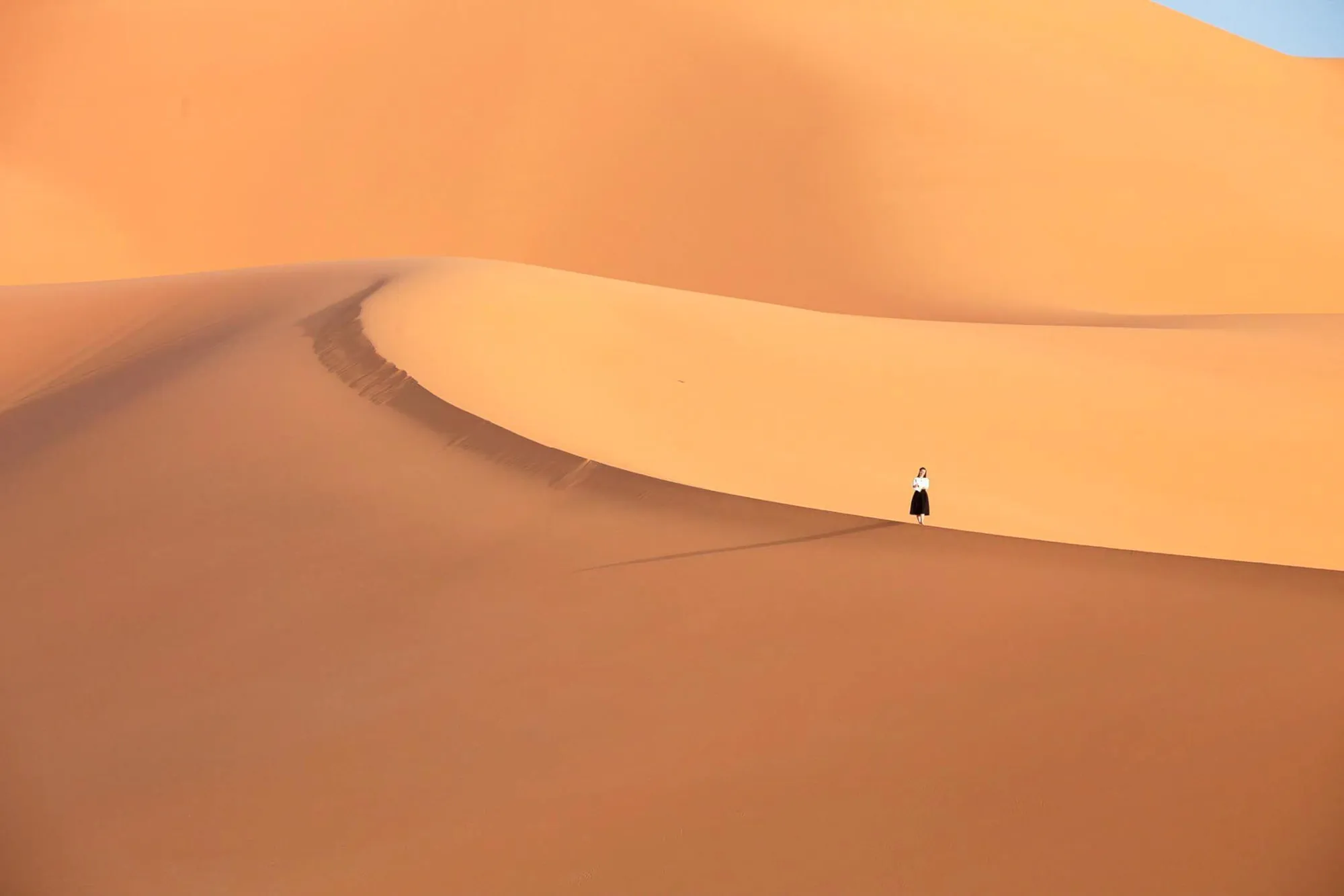
The Sahara: March to May and mid-September to November. Winter is beautiful but cold at night. Summer is only for the very brave or very sunburnt. My Sahara desert guide has more on which dunes to choose.
The High Atlas: April to October for walking. Winter is stunning with snow, but roads and passes can close.
The coast and the north: May to October. Winter is green and wet.
Photography: autumn and winter give the best light, softer and lower all day. There’s more on that in my Morocco photography guide.
What to pack, whatever the month
- Layers. Always layers. Even in summer the desert nights are cool.
- A warm jumper or light down jacket from October to April.
- Light, loose clothes that cover shoulders and knees. Cooler, more comfortable and more respectful.
- Sunglasses, sun cream and a hat, all year.
- A light rain jacket for the north between November and March.
So, when should you go?
If you can travel any time, go in April, May, late September or October. If you love quiet places and don’t mind cold nights, January and February are underrated. If you can only go in summer, head for the coast and the mountains and save the desert for another trip.
And if you’re the sort of person who has already booked August flights, don’t worry. Morocco is still wonderful. Just maybe skip the Sahara. If you want help working out a route for your dates, drop me a message.
Frequently asked questions
What month is best to go to Morocco?
April, May, late September and October are the best months for most trips. You get warm, sunny days in Marrakech and Fes, comfortable nights in the Sahara and green valleys in spring. If I had to pick one month, it would be late September.
Is January a good time to go to Morocco?
January is good for Marrakech and the cities if you like cool, sunny days and fewer tourists. It’s the coldest month, though: desert nights can drop below freezing and the High Atlas passes can close with snow. Pack warm layers and pick riads with proper heating.
What is the rainy season in Morocco?
Most rain falls between November and March, especially in the north (Tangier, Chefchaouen, Tetouan) and along the Atlantic coast. The south and the Sahara get very little rain at any time of year.
What is the hottest month in Morocco?
July and August are the hottest months. Marrakech often reaches 38 to 40°C and the Sahara can go well over 45°C. The Atlantic coast stays much cooler, usually mid-20s, thanks to the sea breeze.
When is peak season in Morocco?
The busiest periods are Easter, April to May, and October, plus Christmas and New Year in Marrakech. July and August are busy with European and Moroccan family holidays on the coast. Prices for the best riads and camps rise accordingly, so book early.
Is it OK to visit Morocco during Ramadan?
Yes. Hotels, riads and tourist restaurants stay open, and you can eat and drink as normal in them. Some local cafés close during the day, opening hours are shorter, and the evenings come alive after sunset. Just avoid eating, drinking or smoking openly in the street during the day.