Morocco Travel Tips: Haggling, Tipping, What to Wear and Other Things Nobody Tells You
What to wear, how to haggle without losing your soul, who to tip and why the square is never, ever closed.
 By Bijan Paul, founder & tour leader
Updated · 7 min read
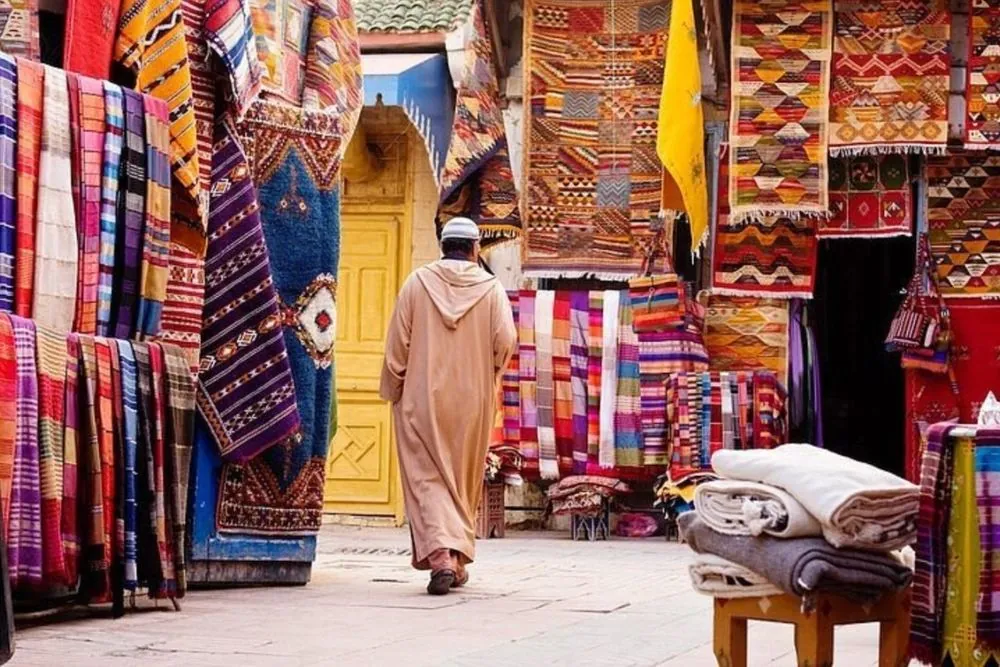
The most useful Morocco travel tips for first-timers: dress modestly (shoulders and knees covered), carry cash in small notes, haggle with a smile in the souks but not in shops with fixed prices, tip for good service, drink bottled or filtered water, ask before photographing people, and politely ignore anyone who tells you the road ahead is closed. Above all, slow down. Morocco rewards people who take their time.
I’ve spent a lot of time in Morocco and visited 115 countries, and I can tell you that Morocco is one of the most welcoming, generous places on earth. It is also one of the most confusing for first-timers. None of it is hard, but nobody tells you any of it. So here are the Morocco travel tips I give to friends, guests and anyone who asks, including the ones I learned the hard way.
What to wear
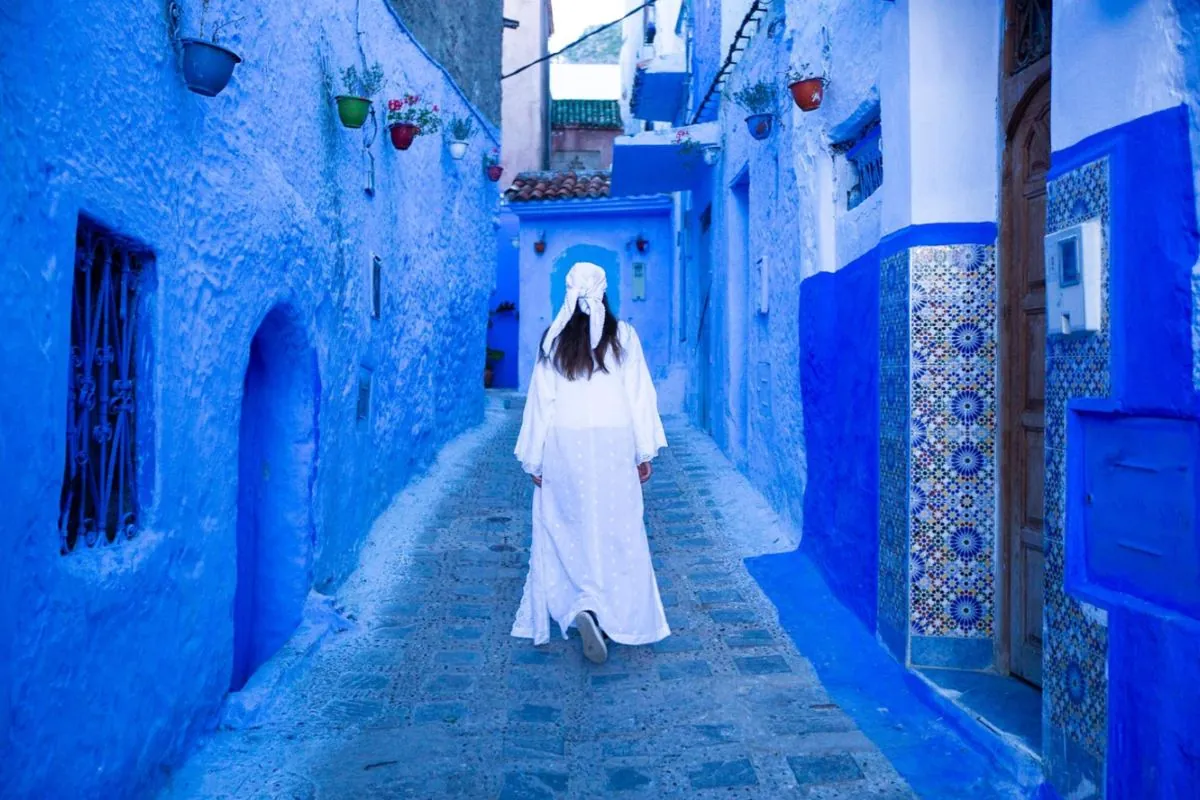
Morocco is a Muslim country, and while Marrakech is relaxed, the medinas and smaller towns are more conservative. The easy rule for everyone: cover shoulders and knees.
- Women: loose trousers, long skirts, midi dresses and shirts are perfect. Bring a scarf for mosques, sun and desert dust. You don’t need to cover your hair.
- Men: trousers or knee-length shorts and T-shirts are fine. Leave the vest top for the beach.
- Shoes: comfortable, closed and grippy. Medina lanes are uneven and slippery when polished.
Loose, long and light is also simply cooler in the heat. Your knees won’t burn either.
Money, cards and cash
- The currency is the Moroccan dirham (MAD). It’s a closed currency, so get it on arrival.
- ATMs are everywhere in towns and cities. Fewer in the desert and the mountains.
- Carry small notes and coins. Nobody ever has change for a 200.
- Cards work in good hotels, restaurants and bigger shops. Cash is king in souks, cafés, taxis and for tips.
How to haggle (without losing your soul)
Haggling in the souks is expected, social and, once you get used to it, quite fun. A few rules:
- Only haggle for something you actually want. Naming a price means you’re serious.
- Start low. A third to a half of the first price, then meet somewhere in the middle.
- Smile. It’s a conversation, not a fight. Accept the mint tea if offered.
- Walk away politely if the price isn’t right. Sometimes the best price arrives as you leave.
- Don’t haggle in pharmacies, supermarkets, restaurants, cooperatives with fixed prices or over a few dirhams with someone who clearly needs them more than you.
And remember the golden rule of carpet shops: “just looking” is the beginning of a three-hour negotiation. Go in with a budget or don’t go in.
Tipping in Morocco
Tipping is a normal part of life, and a lot of people rely on it. Roughly:
- Restaurants: around 10% in sit-down places. Small change in cafés.
- Porters and bag carriers: 10 to 20 dirhams.
- Guides: 100 to 200 dirhams for a half or full day, depending on group size and how good they were.
- Drivers: a similar amount per day, given at the end of the trip.
- Riad staff: a tip in the staff box when you leave.
- Toilet attendants: a few dirhams. Bring tissues, by the way. Trust me on this.
Unofficial guides and the classic scams
Morocco is safe, but the medinas have their share of hustlers. Nothing dangerous, just tiresome. Here’s what to look out for:
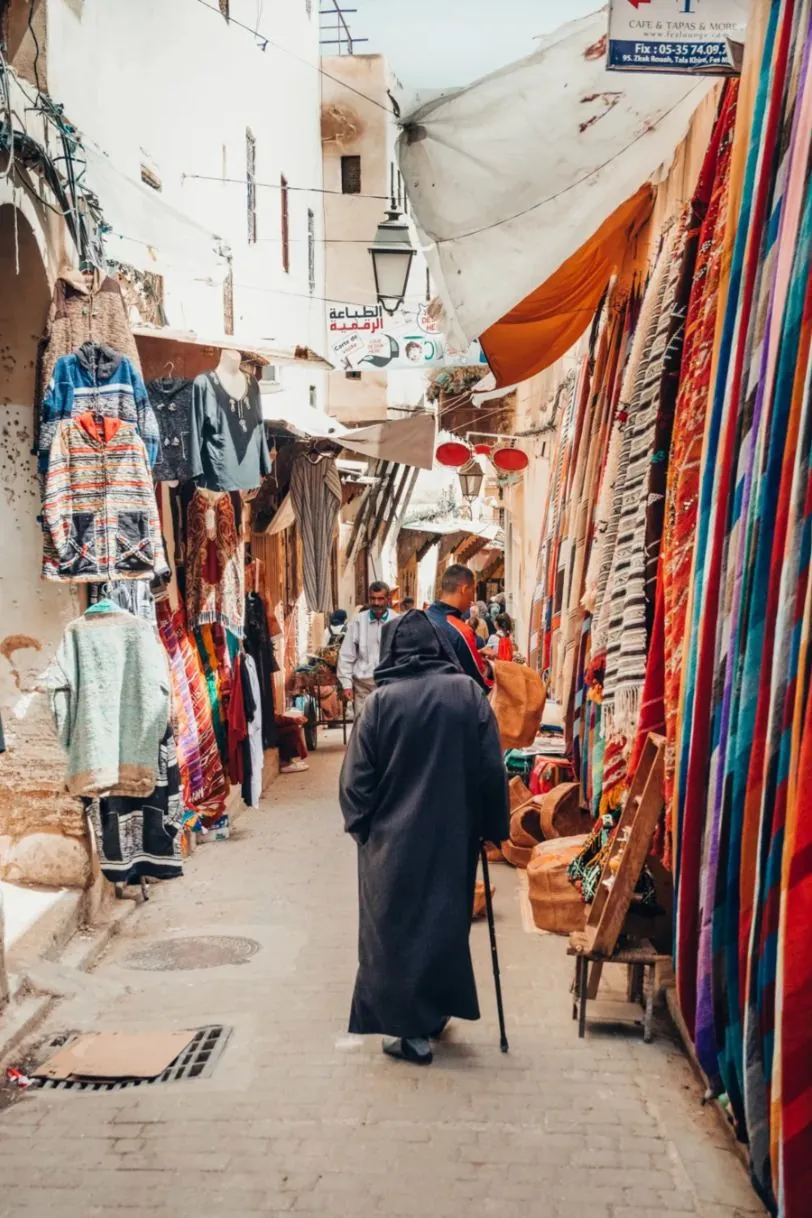
- “The square is closed / the road is closed this way.” It isn’t. It never is. They want to “show you the way”, usually to a shop, then ask for money.
- Unofficial guides. Friendly young men who start walking with you. A polite “la, shukran” (no, thank you) and keep going. Use official, licensed guides, booked through your riad or tour company.
- Henna ladies in Jemaa el-Fnaa who grab your hand and start drawing before you’ve agreed a price. Pull your hand back firmly.
- Photos with monkeys and snakes. You’ll pay more than you think, and the animals don’t have a great life. I’d skip it.
- The tannery “closing for the festival today, but my friend can show you”. Just go with a proper guide.
Taxis
Petit taxis are small, cheap and work within cities. Insist on the meter (“compteur”) or agree the price before you get in. Grand taxis go between towns and are shared. Some apps work in the big cities. From the airport, ask your riad to arrange a transfer. It costs a little more and saves you a lot of hassle, especially at night.
Food and water
- Most visitors drink bottled or filtered water. Many riads have filtered water for refills.
- Food is generally safe and delicious. Busy places with high turnover are best.
- Go easy on raw salads and unpeeled fruit for the first few days.
- Eat with your right hand when sharing a dish from a communal plate. The left is traditionally for less hygienic jobs.
- Bring some rehydration sachets and your usual stomach remedies, just in case.
Customs and manners that make a big difference
- Greet people. “Salam alaikum” (peace be upon you) and the reply “wa alaikum salam”. A greeting before a question changes everything.
- Accept mint tea. It’s hospitality, not a sales trick (well, usually).
- Ask before photographing people. Always. More on this in my Morocco photography guide.
- Mosques are closed to non-Muslims, except the Hassan II Mosque in Casablanca and a few historic sites.
- Public affection: holding hands is fine, but keep anything more for the riad.
- Friday is the holy day. Some shops close around midday prayers, especially in smaller towns.
Ramadan
If you travel during Ramadan (roughly early February to early March in 2027), tourist hotels and restaurants stay open, but avoid eating, drinking and smoking in public during the day. Shops keep shorter hours and afternoons are slow. The evenings are wonderful. More detail in my guide to the best time to visit Morocco.
Women travelling in Morocco
Many women travel alone in Morocco and love it. You will probably get comments and attention, especially in Marrakech, which is more annoying than dangerous. What helps: dressing modestly, sunglasses, walking like you know where you’re going (even when you don’t), not engaging with comments, and choosing a riad that will arrange transfers and guides. Travelling on a small group tour takes away most of it.
LGBTQ+ travellers
Same-sex relationships are illegal in Morocco, and public displays of affection of any kind are frowned upon. In practice, many LGBTQ+ travellers visit without problems, and riads and hotels used to international guests are generally discreet and welcoming. Be sensible and discreet in public.
Health bits
- No vaccinations are compulsory for most travellers. Check with your GP or a travel clinic for current advice.
- Pharmacies are everywhere, well stocked and the pharmacists are very helpful, often in French or English.
- The sun is stronger than it feels, especially in the mountains and the desert. Drink more water than you think you need.
- Mountain roads are winding. If you get car sick, sit at the front and bring tablets.
- Avoid stroking stray cats and dogs, however cute. Rabies exists in Morocco.
Language
Moroccan Arabic (Darija) and Amazigh languages are spoken everywhere, French is widely used, and English is increasingly common, especially among younger people and in tourist areas. A few words make people smile:
- Salam – hello
- Shukran – thank you
- La, shukran – no, thank you (you’ll use this a lot)
- Bslama – goodbye
- Inshallah – God willing (you’ll hear this a lot, especially about timings)
Slow down
My final tip, and the most important one: slow down. Don’t try to see everything. Morocco is at its best over a long lunch, a second glass of tea, a chat with a shopkeeper, a wrong turn that leads to a tiny square with a fountain. The people who rush come home tired. The people who slow down come home in love with the place.
If you’re still at the planning stage, start with my guide to planning a trip to Morocco. Or come and experience the real Morocco with me on our Morocco Signature Journey: the desert, the mountains, the coast and, most of all, the people. Small group, max 8, and I’ll handle the haggling (mostly).
Frequently asked questions
What should I wear in Morocco?
Light, loose clothes that cover your shoulders and knees are the best choice for both men and women, especially in medinas and smaller towns. You don’t need to cover your hair unless you’re visiting a mosque. In Marrakech, beach towns and good hotels, dress is more relaxed.
Can you drink the tap water in Morocco?
Tap water in the cities is treated, but most visitors stick to bottled or filtered water to avoid stomach upsets. Many riads and hotels offer filtered water to refill your bottle, which saves plastic.
How much should I tip in Morocco?
Tipping is part of life in Morocco. Leave around 10% in restaurants, 10 to 20 dirhams for porters and small services, and tip guides and drivers at the end of a day or trip. A rough guide is 100 to 200 dirhams a day for a good guide and similar for a driver, more on longer trips.
Is Morocco safe for women travelling alone?
Many women travel alone in Morocco and have a great time. Expect some unwanted attention and comments, especially in Marrakech, which is annoying more than dangerous. Dressing modestly, wearing sunglasses, walking with purpose and ignoring comments helps. A small group tour or a guide takes away most of the hassle.
Do I need to haggle in Morocco?
In the souks, yes, it’s expected. Start at around a third to a half of the first price and meet somewhere in the middle, with a smile. Don’t haggle in supermarkets, pharmacies, restaurants or shops with marked prices, and don’t start haggling for something you don’t want.
Is alcohol available in Morocco?
Yes, but not everywhere. Many hotels, some riads, tourist restaurants and bars serve alcohol, and some supermarkets sell it. Many local cafés and smaller riads don’t. Drinking in public is not acceptable, and you won’t find alcohol at all in some smaller towns.