What Travelling to 115 Countries Taught Me (And Why I Ended Up in Morocco)
Half Persian, half English, 115 countries in. What all that travel actually feels like, and why I keep coming back to Morocco.
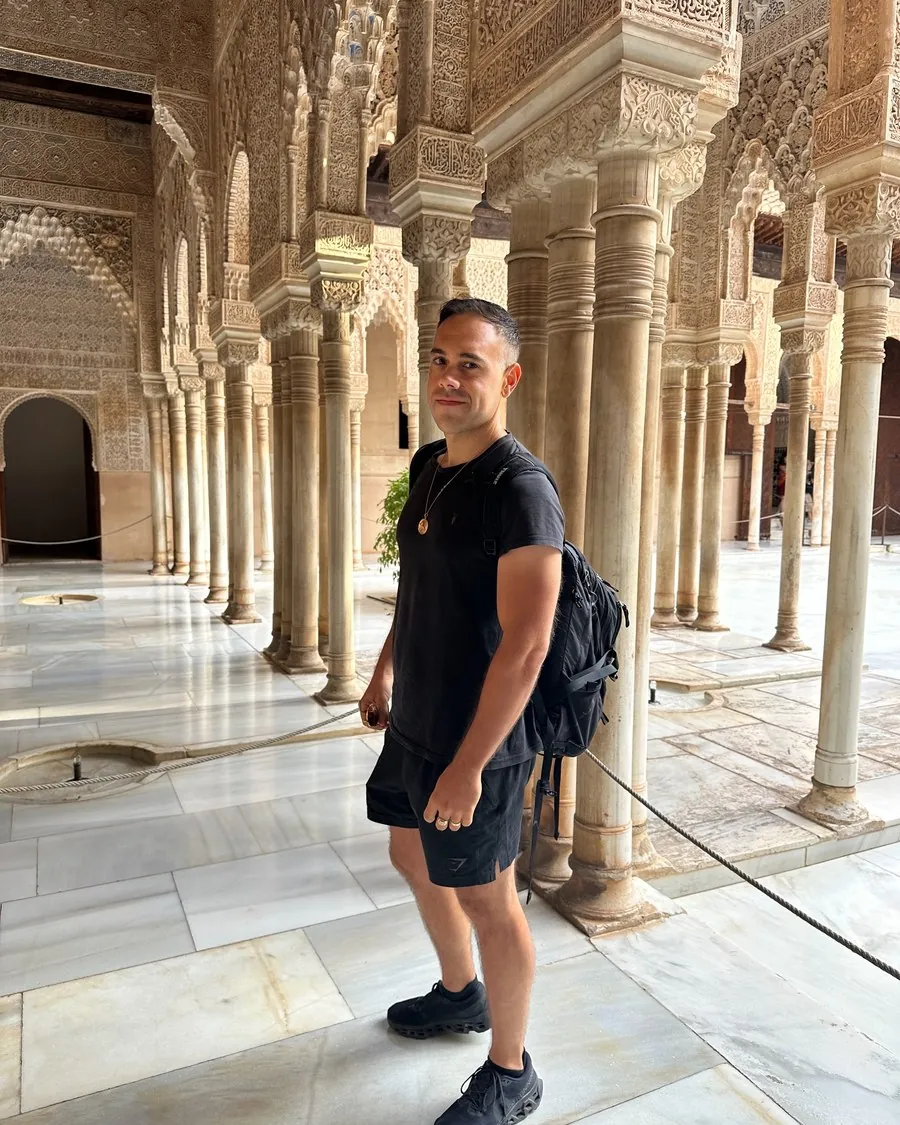 By Bijan Paul, founder & tour leader
Updated · 7 min read
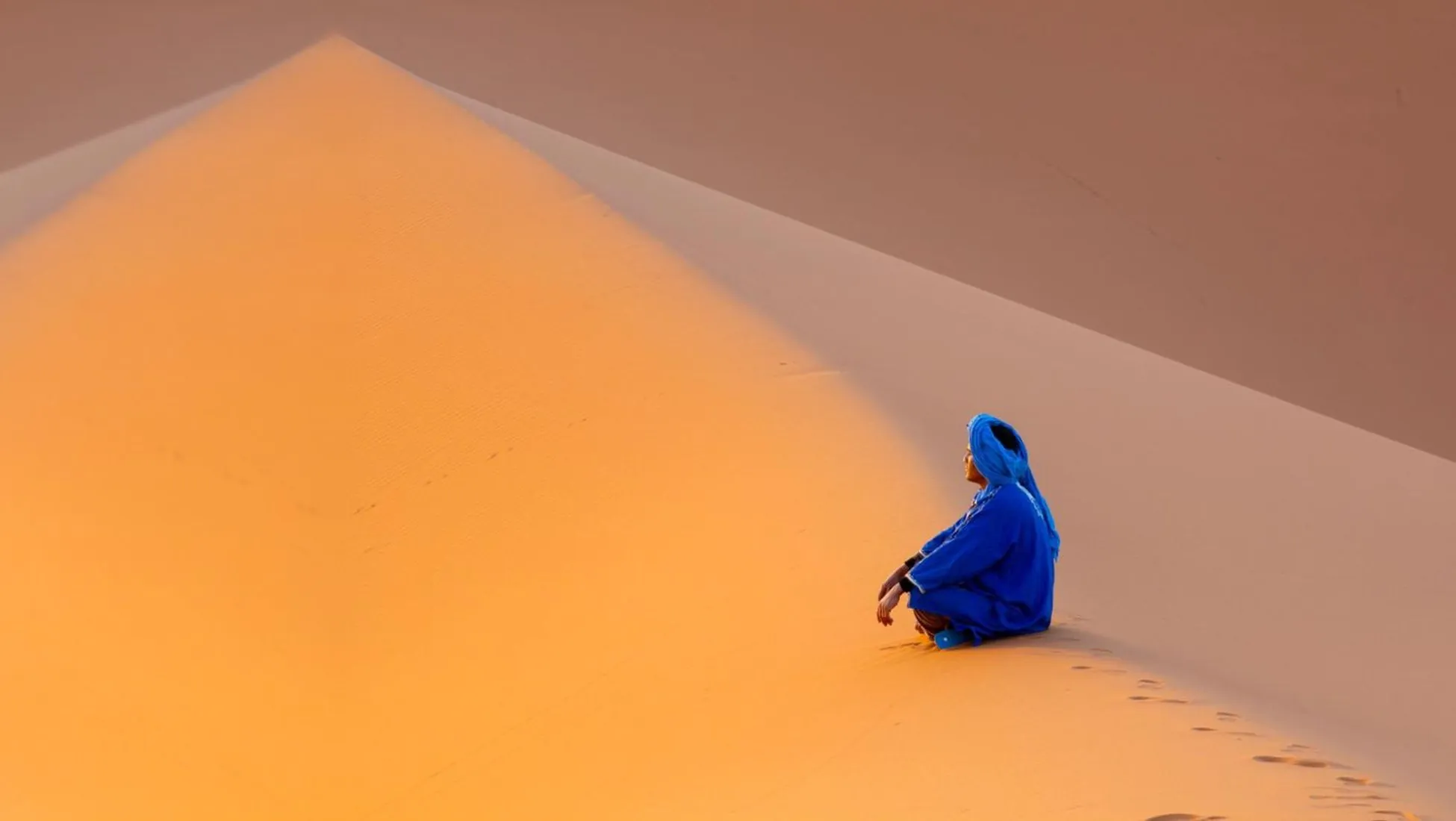
Travelling to 115 countries taught me that the places you remember most are rarely the famous ones. It’s the people you meet, the slow days and the corners of the world most travellers skip. After all of it, from Iran to Transnistria to the Carpathian Mountains, Morocco is the place I chose to call home.
Thanks for stopping by. I’m Bijan Paul. Bijan is my first name and Paul is my middle name, which feels about right, because I’m half Persian and half English with a foot in both worlds. People sometimes ask what it feels like to have travelled to 115 countries. The honest answer is that it doesn’t feel like a number at all. It feels like a lot of faces, a lot of long roads, and a slow realisation that the best bits of travel are almost never the bits on the postcards.
It started at 16, in Iran
My father is from Iran and my mother is from the UK. When I was 16, my dad took me to Iran so I could learn his language and his culture. I went to an international school there and became fluent in Farsi.
I didn’t realise it at the time, but that was the moment everything shifted. Living in Iran made me curious about history and other cultures, and taught me to pay closer attention to the nature and life going on around me. It was the first time I saw properly beyond the familiar world I’d grown up in back in the UK. Once you’ve seen that the world is much bigger and kinder and more complicated than the news suggests, it’s very hard to stop wanting to see more.
Then came the long hours in London
When we came back, we settled in Bournemouth. I studied graphic design, then moved to London for university and stayed for about ten years. I loved the creative work. I didn’t love the hours. At some point I caught myself wondering whether life really had to be all work, which in London is the kind of thought you usually have on a delayed train at 9pm.
Around that time I met Ana, who became my partner. She grew up in Sadova, a mountain village in Romania. We were both burnt out on London and wanted a different kind of life, so we took a leap and moved to her village.
Ten years in a Romanian mountain village
I was lucky. I could keep working as a designer online, back when remote work was still a strange thing to explain to people. So for ten years, Sadova was home. I learned Romanian and became fluent, we ran a guesthouse, and I built our house.
Romania also gave me space to explore. I’d set off alone on long hikes into distant corners of the Carpathian Mountains, and eventually bought my first 4x4 so I could reach the remote tracks. Some were so little known that even locals hadn’t been down them. Those days outdoors, finding my own way through the mountains, are still some of the experiences I treasure most.
It also taught me something that shaped how I travel now: you only really know a place when you stay long enough to stop being a visitor.
Going where most people don’t
From Romania, a lot of the world opened up, and I was always drawn to the places most people skip. Travel and photography have taken me to 115 countries, often far from the usual routes.
Transnistria is a good example. It’s a thin strip of land between Moldova and Ukraine that declared independence in 1990 and that almost nobody recognises. It has its own government, its own currency and its own border posts, and visiting feels a bit like stepping into a country that officially doesn’t exist. Places like that stay with you, not because they’re beautiful in the usual sense, but because they challenge what you thought you knew.
(A quick, sensible note: travel advice for places like this changes, so always check your government’s latest guidance before going anywhere off the map.)
The common thread in all of it was people. I’ve met people whose lives were completely different from mine, and those encounters have stayed with me far longer than any monument.
What 115 countries actually taught me
1. People beat places, every time
I can’t always remember the name of a famous building I saw ten years ago. I can remember almost every person who invited me in for tea. Travel is mostly a long series of strangers being kind to you, and it never stops being surprising.
2. Slow is better
The more countries I’ve visited, the less interested I am in rushing. I like to take my time, appreciate a place properly and enjoy it with good people around me. You feel the beauty of somewhere so much more when you’re not already thinking about the next stop.
3. The best places are rarely the famous ones
Famous places are famous for a reason, and I’d never tell anyone to skip them. But the moments that really stay with me happened down the side road, in the village nobody mentioned, on the beach with no one else on it.
4. The news is not the place
Almost every country I’ve visited was warmer, more ordinary and more welcoming than its headlines. Iran taught me that first, and the lesson has repeated itself over and over.
5. Learning a few words changes everything
Speaking Farsi and Romanian opened doors I wouldn’t even have known were there. You don’t need to be fluent. A greeting, a thank you and a genuine effort are enough to turn a transaction into a conversation.
6. A camera makes you look harder
My mum was an early inspiration for all of this. There’s a photo of her at about eight years old, holding a Polaroid camera. She dreamed of travelling the world and capturing what she saw. I often think that, in my own way, I’m following a path she imagined, and bringing some of those dreams to life through my travels and my photographs. Photography taught me to slow down and notice. It’s also why our tours are planned around the light. There’s more on that in my Morocco photography guide.
7. Good company makes good places great
A sunset is lovely on your own. It’s better shared with people you’ve spent the day laughing with. Some of the best travel is simply being somewhere special with a good group, and that’s the heart of how we run our small group tours.
Why, after all that, I chose Morocco
Iran, Romania and Morocco have each opened a different door for me. In 2026 Morocco became another home, and we now divide our time between Romania and North Africa.
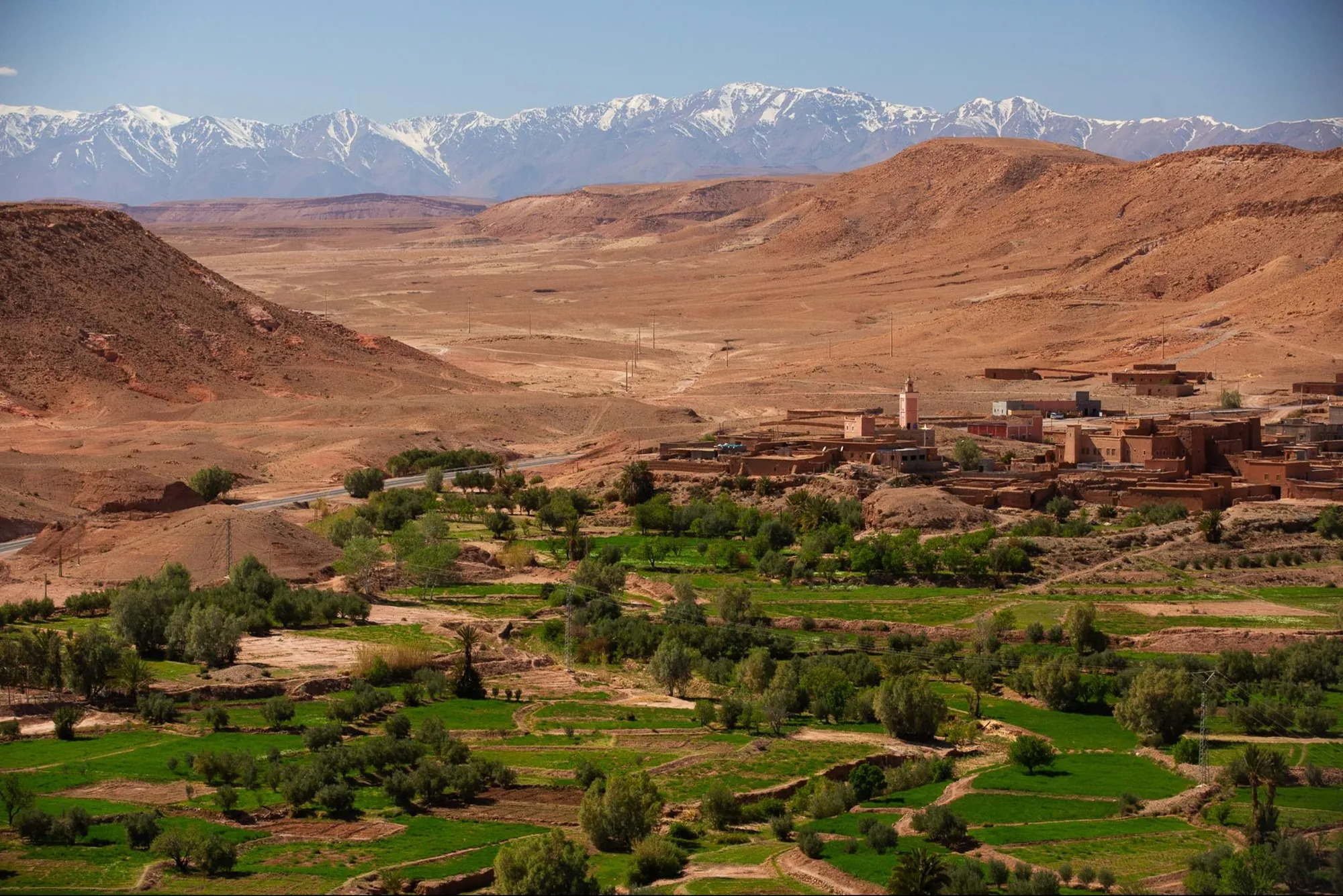
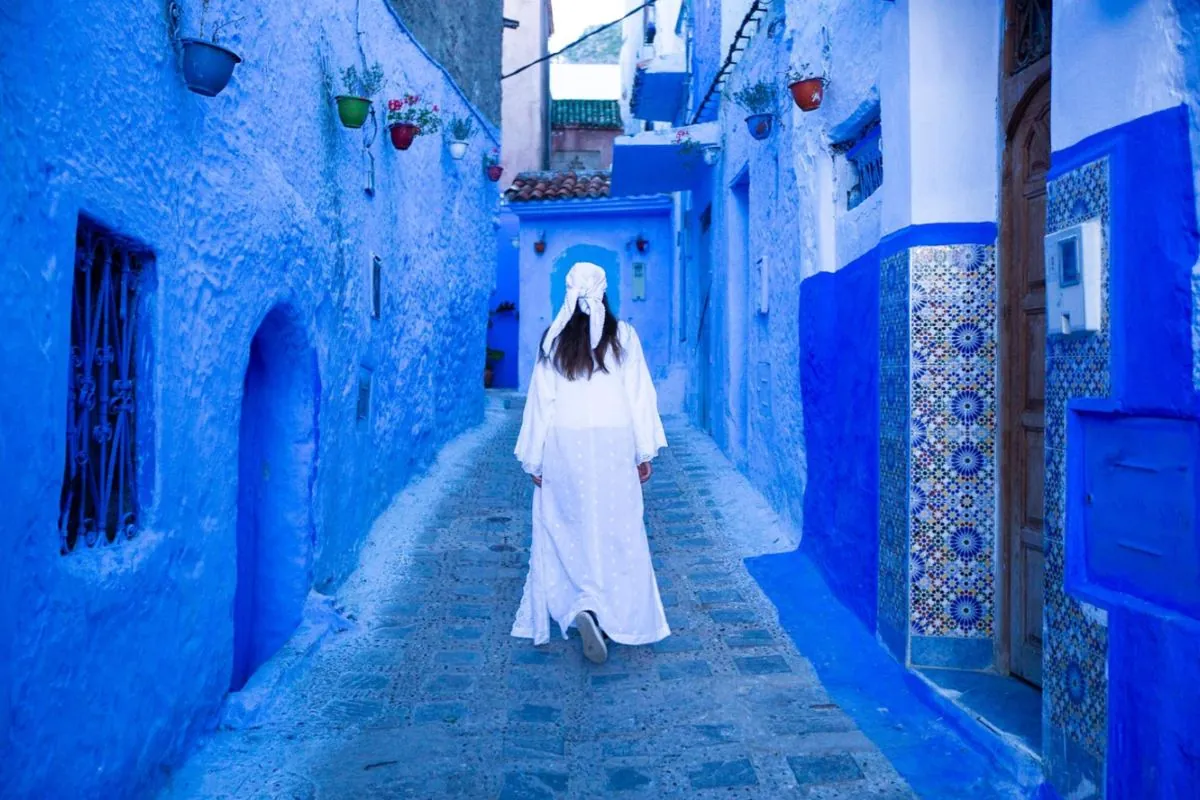
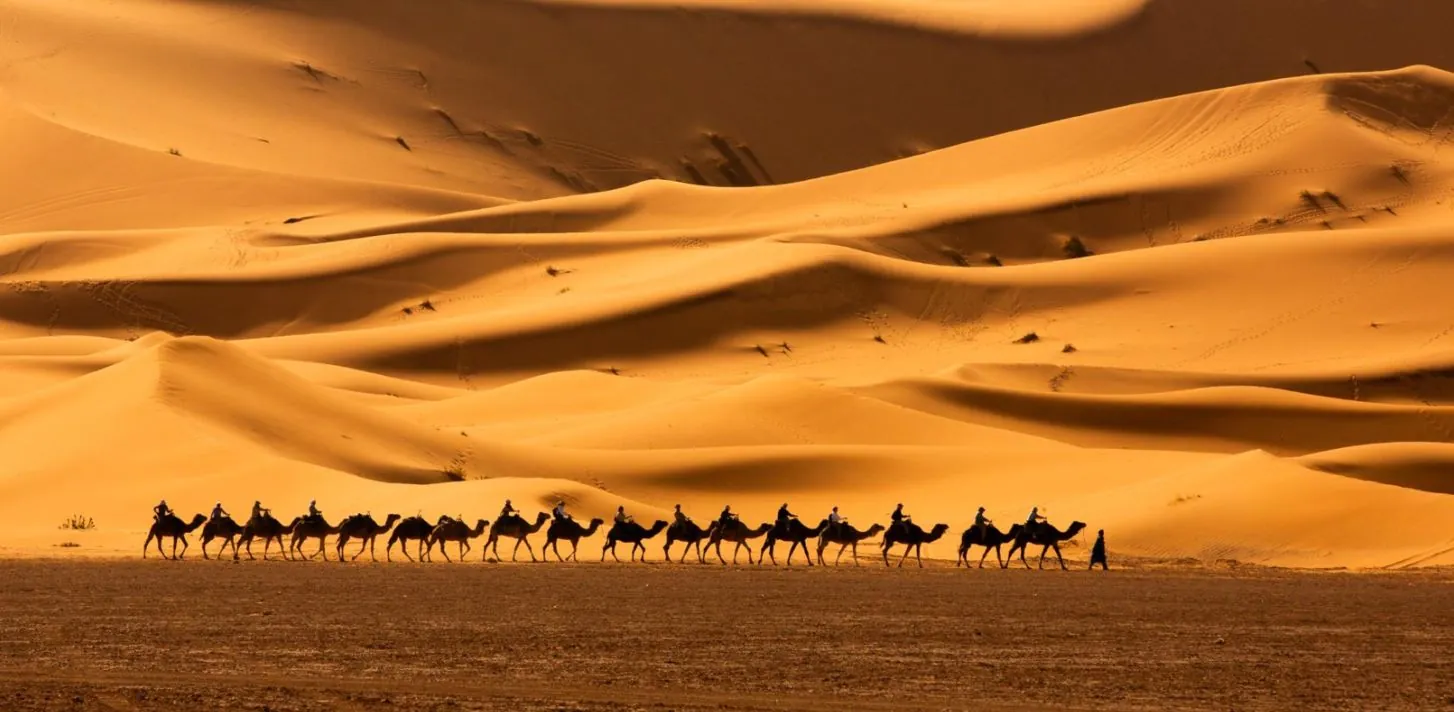
So why Morocco, out of 115 countries? Because it has everything I love about travel in one place. The silence of the Sahara at night. The High Atlas, where a mountain village will always find a reason to give you tea. The quiet coastal towns and beaches in the north that most visitors never reach. Medinas that feel a thousand years old because they are. And most of all, the people, who are some of the warmest and funniest I’ve met anywhere.
It also rewards exactly the kind of travel I believe in: slow, curious and shared. If you rush Morocco, you see it. If you take your time, you feel it. I’ve written about the route that shows the real Morocco best in my 12-day Morocco itinerary, and about the desert that stole my heart.
Why I started Global Venturers
For years, Ana and I organised private trips around Morocco for people who wanted to experience it with care and curiosity. Global Venturers is the next step: small group tours, for a maximum of 8 people, to share the places and experiences that have meant something to me.
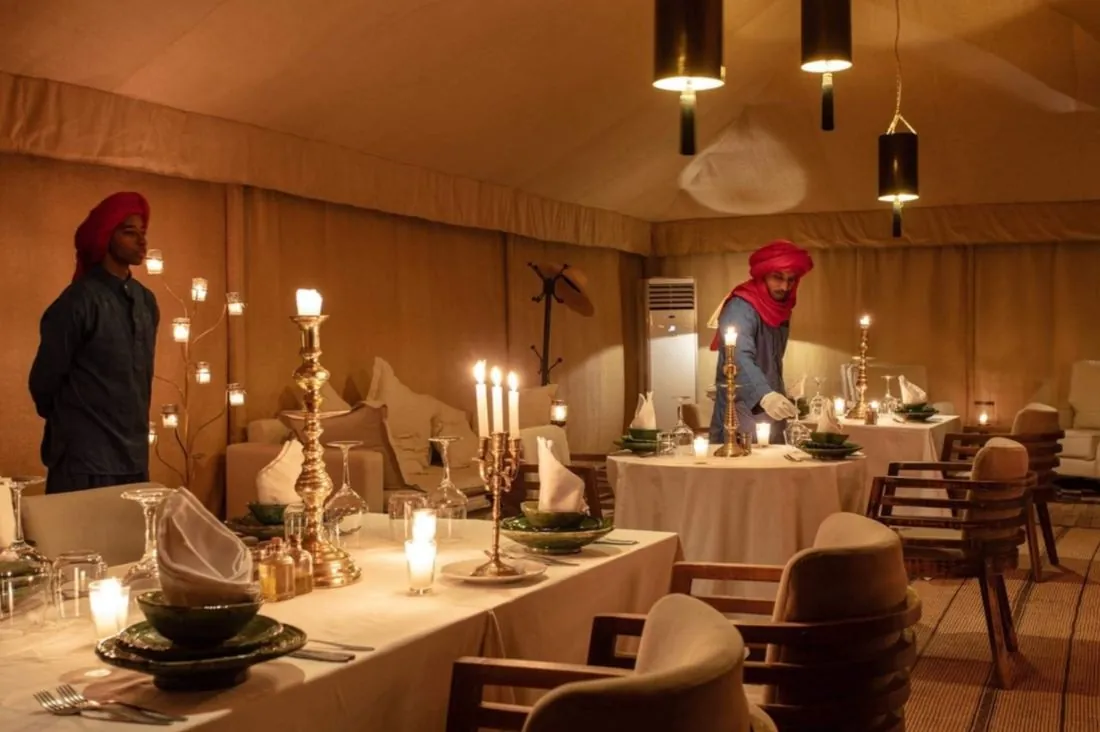
I want our journeys to feel personal and thoughtful, full of the kind of encounters you remember long after you’ve got home. Beautiful places to stay, private air-conditioned vehicles so the long roads are comfortable, time to actually be somewhere, and a group that, by the end, feels more like friends than fellow passengers.
Our first one is the Morocco Signature Journey, 13 days in September 2027: Marrakech, the Draa Valley, two nights in the remote dunes of Erg Chegaga, Merzouga, Fes, Chefchaouen, Tetouan, and Tangier with its quiet beaches. It’s the Morocco I fell in love with, and I’d love to show it to you. Say hello, I always reply.
Frequently asked questions
How many countries are there in the world?
There are 193 member states of the United Nations, plus two observer states (the Vatican and Palestine), which is why you’ll often see 195 quoted. Places like Transnistria, Kosovo or Taiwan complicate the count, which is part of the fun of keeping one.
What is Transnistria?
Transnistria is a thin strip of land between Moldova and Ukraine that declared itself independent in 1990. Almost no country recognises it, but it has its own government, currency and border posts, and it still carries a lot of Soviet-era symbols. Always check your government’s latest travel advice before considering a visit.
What is the best country you’ve ever visited?
That changes depending on the day. But Morocco is the one I chose to live in, which probably says it all. The desert, the mountains, the coastal towns and, most of all, the people keep pulling me back.
Is travelling to lots of countries better than going deep in a few?
Both have their place, but the older I get the more I value depth. Spending real time somewhere, with good people around you, is when a place gets under your skin. That’s why our tours move slowly and stay small.
How do you afford to travel so much?
Mostly by working remotely as a product designer for years, long before it was normal, and by living somewhere affordable. I built a house in a Romanian mountain village and travelled from there. Slow, practical choices add up over time.